
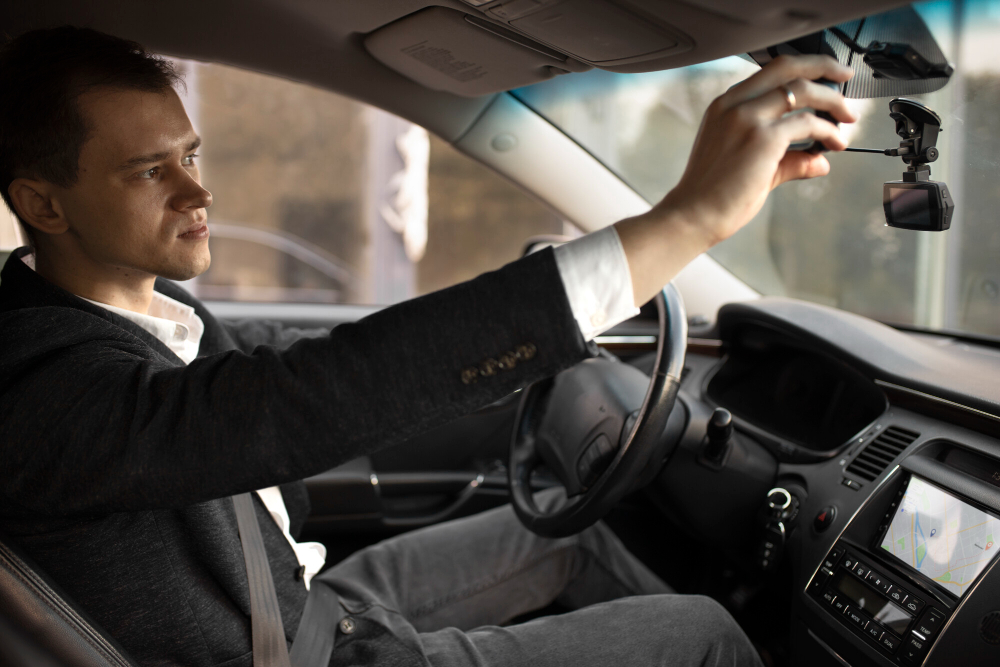
A dash cam is the closest thing a driver has to an impartial witness. It does not get rattled, it does not reconsider overnight, and it was pointing at the road the whole time.
That makes it valuable. It also makes it a record you do not control once a claim starts, which is the part most articles leave out. Here is the honest picture.
What footage actually settles
Video matters most where the facts are contested, and a few situations where it outperforms every other kind of evidence.
Left-turn and intersection collisions are the clearest example. These usually come down to who had the light or who started the turn, and two drivers routinely remember it differently. Video ends that argument in seconds.
Sudden lane changes and cut-offs are similar. So are phantom vehicle cases, where a car that was never touched forces a crash and drives off, since a camera may catch the plate. After a hit-and-run, that plate is sometimes the only route to any recovery.
Rideshare drivers benefit more than most, because many already run cameras and their claims involve layered coverage and multiple parties. When a rideshare accident claim turns on who did what, footage can shorten a fight that would otherwise take months.
It can also work against you
This is the part worth understanding before you install one.
Your camera records your driving too. If you were eleven miles over the limit, ran a stop sign before the intersection, or were arguing with someone in the passenger seat, that is on the same file as the other driver’s mistake.
Footage is also generally discoverable once you make a claim. You cannot show the helpful ten seconds and withhold the rest, and deleting a file after an accident is a far worse problem than anything the file contains. Preserve everything and let your attorney assess it.
An insurer only needs to shift a percentage of blame onto you to cut what it pays, and video of your own speed hands it material. That does not make cameras a bad idea. It makes reviewing the footage with a car accident attorney before anyone else sees it a sensible step.
Where Nevada law lets you mount it
Dash cams are legal in Nevada. Where you put one is the regulated part, and it catches people out.
NRS 484D.435 prohibits driving with any sign, poster, or other nontransparent material on the front windshield, side wings, or side or rear windows that obstructs the driver’s clear view of the road. The statute carves out a six-inch square area in the lower corner of the windshield farthest from the driver, along with anything federal or state law requires to be displayed there.
NRS 484B.163 separately addresses obstruction of or interference with a driver’s view. Nevada has never written a dash cam exemption into either statute, so a large unit stuck in the middle of the glass is a citation waiting to happen. A compact camera tucked behind the rearview mirror, or mounted on the dashboard, keeps you clear of the issue.
Audio is a separate question from video
Recording the road ahead and recording conversations inside the car fall under different rules. Nevada addresses surreptitious recording of private conversations under NRS 200.650, and a driver is ordinarily a participant in conversations happening in their own vehicle.
Passengers unaware they are being recorded introduce complications unrelated to your accident claim. Many cameras let you disable audio while keeping video, and for accident evidence the video is what carries the weight. If you drive commercially or carry passengers regularly, raise this with an attorney rather than assuming.
The mistake that destroys most footage
Dash cams record in a loop. When the card fills, the oldest files are overwritten, and depending on card size and video quality, that cycle can be a matter of hours.
Most cameras detect an impact and lock the surrounding clip, but the feature fails often enough that it should never be relied on. A minor collision may not trigger it at all.
So the first thing to do after a crash, once everyone is safe, is to stop the recording and save the file. Pull the card or export the clip to your phone before you drive away. The rest of our post-accident checklist still applies, and this step belongs at the top of it.
What to do with the file once you have it
- Keep the original, unedited file. Trimmed or converted copies invite arguments about authenticity that the full file avoids.
- Copy it to at least two places, since memory cards fail and phones get replaced.
- Do not post it online. Footage on social media reaches the other insurer, and the comments attached to it tend to resurface in the claim.
- Do not send it directly to the other driver’s insurer before getting advice.
- Note the camera model and how the timestamp is set, since authenticating a recording under NRS 52.015 means showing it is what you say it is.
Cyclists deserve a mention here. Handlebar and helmet cameras do the same job, and in a bicycle accident claim, that footage often counters assumptions about where a rider was positioned in the lane.
Frequently asked questions
Is dash cam footage admissible in a Nevada court?
Generally yes, once it is authenticated, which usually means testimony that the camera is yours and the recording is what you claim it to be. Unedited original files make that straightforward.
Do I have to give my footage to the other insurance company?
Not on request, and not before you have advice. Once a claim is in litigation, relevant footage is generally discoverable and withholding it is not an option. That is a reason to have it reviewed early, never a reason to delete it.
Will a dash cam lower my insurance premium?
Most major carriers do not offer a dash cam discount. The financial benefit shows up differently, in avoiding an at-fault finding that would raise your rates and reduce your recovery.
What if the footage shows I made a mistake too?
Tell your attorney immediately. Nevada permits recovery unless your share of fault exceeds the combined share of everyone you are suing, and an award simply drops by your own percentage. Partial fault is a long way from no claim.
The other driver had a dash cam. Can I get that footage?
Possibly, through formal discovery once a case is filed. A letter demanding preservation, sent early, can stop that file from being overwritten before then.
Conclusion
A dash cam is worth having. It answers questions that would otherwise take months of investigation, and in hit-and-run and phantom vehicle cases it can be the difference between a claim and no claim at all. It also records your own driving, and it becomes part of the case whether it helps or not.
The practical rules are simple. Mount it legally, save the file immediately, keep it unedited, and have it reviewed before anyone else sees it. Client testimonials describe how much smoother a claim runs when the evidence is secured early.
The firm has handled Las Vegas injury claims since 2016 and takes cases on contingency, so nothing is owed unless there is a recovery. Reach us any time at 702.508.7243, or start a free case review and bring the footage along.