
If you’ve been injured on someone else’s property in Las Vegas, understanding Nevada’s premises liability laws is crucial. These laws establish the legal grounds for holding property owners responsible for injuries sustained due to unsafe conditions. Let’s delve into the specifics and empower you to protect your rights.
Table of Contents
- Duty of Care in Premises Liability: What You Need to Know
- Examples of Breaches of Duty
- Breach of Duty and Causation
- Nevada Revised Statutes (NRS) Chapter 41
- Seeking Compensation in a Nevada Premises Liability Case: Protecting Your Rights
- Empowering Yourself
Duty of Care in Premises Liability: What You Need to Know
Imagine you’re walking into a store, excited to browse the aisles. Suddenly, you slip on a puddle of spilled water and fall, injuring yourself. Who’s responsible for your injuries? This is where the concept of duty of care in premises liability comes in.
What is Duty of Care?
Duty of care is a legal principle that states that property owners have a responsibility to maintain their property in a reasonably safe condition for visitors. This means taking steps to identify and address potential hazards that could cause injuries.
Who The Duty Applies To
In Nevada, the owner’s duty does not depend mainly on why you were on the property. In Moody v. Manny’s Auto Repair (1994), the Nevada Supreme Court moved away from the old visitor categories and asked whether the owner acted reasonably under the circumstances. Your reason for being there can still matter, but it is one factor, not the deciding one.
Examples of Breaches of Duty
Here are some real-life examples of how a property owner might breach their duty of care:
- A grocery store owner fails to mop up a spilled liquid promptly, causing a customer to slip and fall.
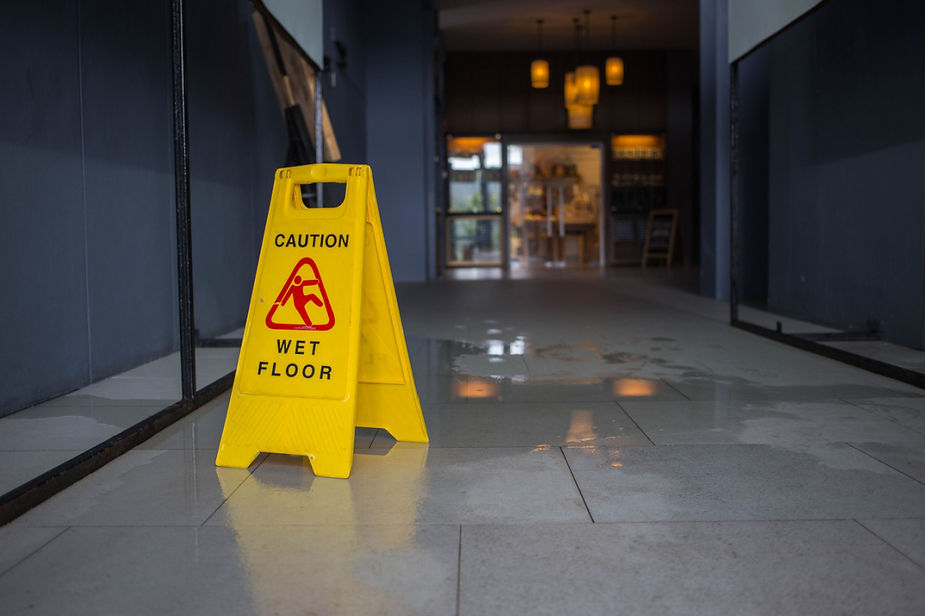
- A restaurant owner does not put up a wet floor sign after mopping, leading a customer to slip and fall.
- An apartment building owner fails to repair a broken step, causing a tenant to trip and fall.
- A homeowner does not secure their pool, leading a child trespasser to drown.
Nevada Revised Statutes (NRS) Chapter 41
Nevada’s legal landscape includes statutes designed to establish and define the duty of care owed to visitors in different circumstances and to determine compensation in cases of negligence. NRS 41.141, Nevada’s comparative negligence statute, plays a key role in how compensation is decided.
NRS 41.141: Comparative Negligence System
NRS 41.141 introduces a comparative negligence system, a crucial aspect of Nevada’s legal framework that impacts how compensation is determined in negligence cases. Unlike contributory negligence systems, which bar recovery if the plaintiff is found even slightly at fault, a comparative negligence system allows for a more nuanced approach
Under NRS 41.141
Modified Comparative Negligence: Nevada uses a modified comparative negligence rule. You can still recover if your share of fault is not greater than the other party’s, and your compensation is reduced by your percentage of fault. However, the amount of compensation is reduced in proportion to the plaintiff’s degree of fault.
Calculation of Damages: The court assesses the total damages and then apportions responsibility between the parties involved. For instance, if a plaintiff is found 20% at fault, their compensation is reduced by 20%.
Fair Allocation of Fault: NRS 41.141 emphasizes fairness by ensuring that each party is held accountable for their share of the negligence. This system aims to provide a balanced and just outcome in personal injury cases.
NRS 41.141 is a pivotal element in Nevada’s legal landscape, establishing a comparative negligence system. Understanding this statute is essential for both property owners and visitors, as they provide clarity on legal responsibilities and contribute to the fair resolution of negligence cases in the state.
Seeking Compensation in a Nevada Premises Liability Case: Protecting Your Rights
So you’ve been injured on someone else’s property in Nevada, suspecting a breach of their duty of care. Navigating legal situations can be overwhelming, but knowing the steps to take strengthens your chances of securing rightful compensation.
Let’s break down your options:
Immediate Action:
- Seek Medical Attention: This prioritizes your health and provides crucial documentation for your claim. Keep copies of all medical records and bills.
- Document the Incident: Note the date, time, and location of the injury. If possible, take pictures of the hazard and surrounding area.
- Gather Evidence: Collect witness statements, accident reports, security footage, or any other relevant information that supports your claim.
Remember the Clock is Ticking:
Nevada imposes a two-year statute of limitations NRS 11.190(4)(e), on most personal injury claims, including premises liability. This means you have two years from the date of your injury to file a lawsuit. Acting promptly preserves evidence, secures witness memories, and allows your attorney to build a strong case.
Legal Expertise is Key:
If a fall caused your injury, consulting an experienced Las Vegas slip and fall attorney is crucial. As your legal team in Las Vegas, we will:
- Evaluate your case: Assess the strength of your claim based on Nevada’s premises liability laws and evidence gathered.
- Navigate legal complexities: Understand intricate legal nuances and procedures to maximize your compensation.
- Fight for your rights: Aggressively pursue the compensation you deserve through negotiation, mediation, or even litigation if necessary.
Don’t Procrastinate:
Time is of the essence. Contacting an attorney promptly allows them to:
- Gather evidence before it disappears: Witness memories fade, video footage gets overwritten, and physical evidence degrades.
- Secure expert witnesses: Specialists may be needed to support your claim regarding injury severity, property conditions, or safety standards.
- Meet statutory deadlines: Missing the two-year statute of limitations bars you from seeking compensation later.
Remember:
- Consulting an attorney is not just crucial, it’s your right. They work on your behalf, protecting your interests and ensuring you receive fair compensation.
- The legal system can be complex, but seeking expert guidance simplifies the process and maximizes your chances of success.
Empowering Yourself
Knowing your rights under Nevada’s premises liability laws is essential. By understanding the duty of care, breach, causation, and relevant statutes, you can make informed decisions if you ever face an injury on someone else’s property. Remember, seeking legal counsel is advisable to ensure you receive the proper guidance and potential compensation you deserve.
This blog post provides a general overview and cannot substitute for professional legal advice. For specific questions or concerns, consult with an attorney specializing in premises liability law in Las Vegas.
If You’re Injured: Help With Nwogbe Law Group
If you are in Las Vegas and got injured on someone else’s property due to a breach of duty of care, you may have a premises liability claim. However, it’s important to remember that you also have a responsibility to act reasonably and avoid danger yourself.
Premises liability law can be complex, so it’s important to consult with an attorney if you have been injured on someone else’s property. Nwogbe Law Group can help you understand your rights and determine if you have a case. Call us at 702.508.7243.
Remember:
- Property owners must act reasonably to keep their property safe for the people on it.
- Property owners must take steps to identify and address potential hazards.
- If you are injured on someone else’s property due to a breach of duty of care, you may have a premises liability claim.
- Consult with an attorney to discuss your specific situation.
By understanding the duty of care, you can help protect yourself from injuries on someone else’s property. And if you are injured, knowing your rights can help you get the compensation you deserve.